
Published November 15, 2025 · By Melissa Vallelunga, REALTOR® | DRE #02168079
What do buyers need to know before purchasing a mountain home in Tuolumne County? Mountain properties in Twain Harte, Pinecrest, Mi Wuk Village, and surrounding communities come with unique considerations — elevation zones, water systems, fire safety, and seasonal access — that most buyers haven't encountered before.
Whether you're dreaming of a weekend cabin in the pines or planning to make Tuolumne County your year-round home, buying a mountain property is different from buying anywhere else. The good news: with the right information and a local expert in your corner, it's very doable — and absolutely worth it.
I've helped buyers navigate mountain home purchases across every community in Tuolumne County. These are the questions they ask, the surprises they didn't expect, and everything I wish every buyer knew before they started their search.
Understanding Tuolumne County's Elevation Zones
One of the most important — and most overlooked — aspects of buying in Tuolumne County is how dramatically the living experience changes across our elevation range. We span over 4,000 feet from foothill to alpine, and that matters for snow, access, utilities, and lifestyle.
Lower Elevation: 1,400–2,200 Feet
Communities: Jamestown · Sonora · Columbia
The foothill communities offer mountain character without heavy snow. Mild winters, year-round easy road access, no chain requirements, and proximity to shopping, healthcare, and services. If you want four gentle seasons and small-town feel without worrying about getting snowed in, this is your zone.
Mid-Elevation: 3,600–4,500 Feet
Communities: Twain Harte · Sugar Pine · Mi Wuk Village
This is the sweet spot most buyers are picturing. Beautiful seasonal snow that transforms the landscape without overwhelming your daily life. Cool summer evenings when the valley is baking. A vibrant mix of year-round residents and vacation homeowners. Village amenities, community events, and that classic mountain resort feel — with modern convenience still in reach.
Twain Harte in particular has a community golf course, a lake, shops and restaurants in a walkable village center, and one of the strongest year-round community identities in the county.
Higher Elevation: 5,000–5,600+ Feet
Communities: Long Barn · Strawberry · Pinecrest
For buyers who want the full alpine experience. More dramatic seasons, more snow, Dodge Ridge skiing and Pinecrest Lake at your doorstep, and a genuine sense of being immersed in the Stanislaus National Forest. This is for buyers who want to be in the mountains, not just near them.
Access requires more preparation — a capable vehicle, awareness of chain requirements, and planning around major winter storms — but year-round residents here will tell you the lifestyle is worth every bit of it.
What Elevation Means for Your Search
- Snow depth and duration vary significantly between zones — Jamestown might see a dusting while Pinecrest gets several feet
- Heating season can be 3–4 months longer at higher elevations
- Growing seasons, wildlife encounters, and road maintenance responsibilities all shift with elevation
- The right elevation depends on your lifestyle, how often you'll visit if it's a second home, and what vehicle you drive
The variety is actually one of Tuolumne County's greatest strengths — there's genuinely something for every kind of mountain buyer here.
Fire-Wise Living: Safety and Peace of Mind
Living in fire country is a reality in the Sierra Nevada, and buyers who approach it with clear information — rather than fear — make much better decisions.
California's fire safety framework gives you a clear roadmap. CAL FIRE offers free defensible space consultations, and many homes in our area are already fire-hardened with the right materials in place.
What to Look for in a Property
Zone 0 (0–5 feet from the structure)
- Rock, gravel, or fire-resistant mulch around the foundation
- Gutters and roof clear of pine needles and debris
- No flammable materials stored against the house
Zone 1 (5–30 feet)
- Properly spaced trees and shrubs
- Tree branches trimmed 6+ feet from the ground
- Dead vegetation regularly removed
- Grass kept mowed during fire season
Zone 2 (30–100 feet)
- Thinned vegetation with fuel breaks created by driveways and paths
- A maintained but naturalistic landscape
Home hardening features worth looking for:
- Class A fire-rated roofing (composition shingles, metal, or tile)
- Dual-pane or tempered glass windows
- Enclosed eaves with 1/8" mesh ember-resistant vents
- Non-combustible or fire-resistant siding
These features don't just protect your home — they directly affect your insurability. For a full breakdown of fire insurance options in Tuolumne County, including the FAIR Plan and how to layer coverage, read my fire insurance guide.
Mountain Water Systems: Wells vs. Community Water
Water source is one of the biggest questions buyers ask, and the answer varies by property and location.
Private Wells
Having your own well means water independence — no monthly water bills (just electricity for the pump), excellent water quality from our granite watershed, and full control over your supply.
Wells in Tuolumne County typically run 200–400+ feet deep. Modern submersible pumps are reliable and efficient, and most wells produce 2–5 gallons per minute — plenty for a mountain home.
Ask for these when shopping a well property:
- Recent well flow test results
- Well depth and pump age
- Water quality test results
- Whether there's a storage tank system
These are standard seller disclosures — any experienced listing agent will have them ready.
Community Water Systems
Tuolumne Utilities District (TUD) and other community systems offer professionally maintained water with consistent pressure, regular quality testing handled for you, and no pump maintenance to worry about. Monthly bills are typically reasonable, and the reliability track record is strong.
Neither option is inherently better — it depends on the property, your comfort level with system ownership, and the specific condition of the well if there is one.
Mountain Home Ownership: What's Different Up Here
Mountain homes have some unique characteristics worth understanding before you buy.
Propane heating is common at higher elevations and is efficient for mountain homes. Confirm delivery access year-round, especially for properties on private or unpaved roads.
Septic systems replace municipal sewer at most mountain properties. Ask for the last inspection report and pump records. A well-maintained septic system is not a red flag — it's standard mountain living.
Snow removal services are readily available in higher elevation communities. Factor this into your ownership costs if you're buying a second home and won't always be there to manage it yourself.
Tree management is both a safety and maintenance responsibility. Budget for periodic arborist work, especially in the first year of ownership when you're learning the property.
Backup power is worth considering at higher elevations — generator hookups or whole-home generators give peace of mind during winter storms.
Internet and cell service vary more than buyers expect. Always test actual signal at the property — don't rely on coverage maps or what a seller claims.
Seasonal Living in Tuolumne County
One of the things I love most about this area is that the seasons are actually distinct and beautiful — not just temperature changes, but genuine transformations of the landscape.
Spring (March–May): Wildflowers bloom progressively up the elevation zones, streams run full with snowmelt, and the whole county feels like it's waking up. Perfect weather for hiking and fishing.
Summer (June–September): This is what mountain living is about. Warm days, cool nights, peak recreation season. While the Central Valley hits triple digits, you're comfortable on your deck. Communities fill with events, Pinecrest Lake is busy, and Highway 108 opens the route to Yosemite.
Fall (October–November): Locals will tell you this is the secret best season. Spectacular foliage, comfortable temperatures, quieter trails, and that golden light that photographers chase. It's also the time to prep higher-elevation properties for winter.
Winter (December–February): The mountains transform. Dodge Ridge opens for skiing and snowboarding, lower elevations stay accessible with minimal snow, and the cozy factor at home goes way up. Higher elevations become true winter wonderlands — for buyers who want that full experience, there's nothing quite like it.
Community Profiles
Sonora
The county seat. Historic downtown with restaurants and shops, Columbia College, the regional hospital, and a mix of historic homes and newer developments. Year-round easy access, no chain requirements, strong services. Great for buyers who want mountain character with city convenience.
Jamestown
Gold Rush history meets modern mountain living. Centered around Railtown 1897 State Historic Park. Mild winters, essential services nearby, excellent year-round access. A strong gateway community.
Twain Harte
The classic mountain resort community. Village shops and restaurants, community lake and golf course, an active events calendar, and a genuine mix of full-time residents and vacation homeowners. Highway 108 access is excellent — AWD or 4WD recommended in winter, but very manageable.
Mi Wuk Village
A quieter, family-oriented neighborhood close to Twain Harte's amenities. Often a more affordable entry point into mountain homeownership. Friendly, comfortable, and well-connected.
Sugar Pine
Peaceful and forested, just minutes from Twain Harte. Smaller community feel with the convenience of mid-elevation living nearby.
Long Barn
True mountain community life centered around the historic Long Barn Lodge. More snow, more quiet, closer to wilderness. Pinecrest is minutes away. 4WD recommended; well-established year-round community.
Pinecrest / Strawberry
Alpine resort living at its finest. Pinecrest Lake, Dodge Ridge, and Stanislaus National Forest right at the door. This is for buyers who want the full mountain experience — peak-elevation beauty, dramatic seasons, and outdoor recreation as a daily lifestyle. Highway 108 is maintained year-round to the area; winter driving preparation is required.
Key Questions to Ask When Touring a Property
About the property:
- What's the water source, and when was it last tested or serviced?
- What's the septic system history — last pump, last inspection?
- What routine maintenance does this property require?
- What fire mitigation has already been completed?
About access and roads:
- Is this road county-maintained or private?
- Who handles snow removal, and where does the responsibility start?
- Are there any easement issues?
About utilities:
- What internet options actually work here — and can I test it right now?
- How's cell service? (Test all carriers you use.)
- How does propane delivery work in winter for this address?
About the community:
- Is this primarily full-time residents, weekenders, or vacation rentals?
- How does the HOA or road maintenance association work?
- What community resources and amenities exist?
How to Start Your Mountain Home Search
- Decide on your elevation zone based on lifestyle, snow tolerance, and how accessible you need it to be year-round
- Visit communities in person — each has a distinct character that photos don't capture
- Experience different seasons if possible before committing
- Build your team early — a local inspector, a mountain-familiar lender, and an insurance agent who understands the FAIR Plan
- Start insurance research during your inspection period — don't wait until the week before closing
That last point is critical. Fire insurance availability and cost are just as important as the home inspection for mountain properties. I walk every buyer through this process so there are no surprises at the end.
❓ Frequently Asked Questions
What's the biggest mistake first-time mountain home buyers make in Tuolumne County? Waiting too long to check on fire insurance. Buyers who find out in the final week before closing that coverage is complicated — or more expensive than expected — create unnecessary stress for everyone. Start insurance conversations during your inspection period, treat it like part of your due diligence, and you'll be in a much stronger position.
Do I need a 4WD vehicle to own a mountain home in Twain Harte or Mi Wuk Village? Not necessarily, but AWD or 4WD is strongly recommended at mid-elevation and above. Many people manage with front-wheel drive and quality snow tires at mid-elevation, but the higher you go, the more a capable vehicle matters. Ask specifically about road conditions and chain requirements for any property you're seriously considering.
Can I use a mountain home in Tuolumne County as a short-term rental? STR regulations vary by community and property type — it's one of the most common questions I get. Watch my short-term rental video for a full breakdown of how STR rules work in our area before you factor rental income into your buying decision.
Is a private well a problem for financing or insurance? Not typically, but lenders will require a well flow test and water quality report as part of the loan process. Most mountain lenders are familiar with this and build it into their timeline. Make sure your purchase contract allows adequate time for testing.
Ready to Start Your Search?
Mountain living in Tuolumne County is the real thing — natural beauty, genuine community, four real seasons, and a quality of life that's hard to replicate anywhere else. I grew up here, and I've spent my career helping buyers find exactly the right fit within our communities.
Whether you're just starting to explore or ready to make an offer, I'm happy to walk you through the process, answer questions about specific properties, and connect you with the inspectors, lenders, and insurance agents who know mountain homes.
📞 Call or text: (209) 352-8528 ✉️ melissamtnhomes@gmail.com 📬 Contact me →
Warmly, from the mountains
Melissa Vallelunga | REALTOR® · Sr. Partner Twain Harte Homes & Land at Real Broker · DRE #02168079 Serving Twain Harte, Mi Wuk Village, Pinecrest, Soulsbyville, Tuolumne & Sonora
FROM OUR BLOG
Twain Harte, CA: A Mountain Community That Lives Year-Round
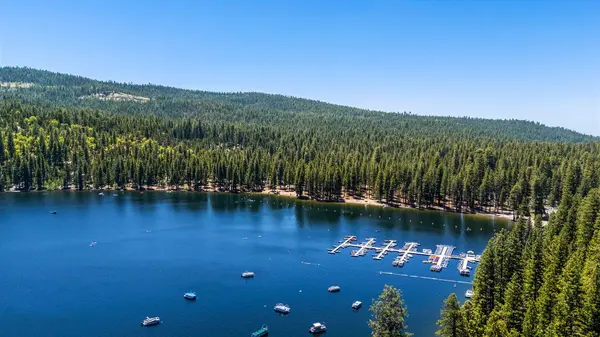
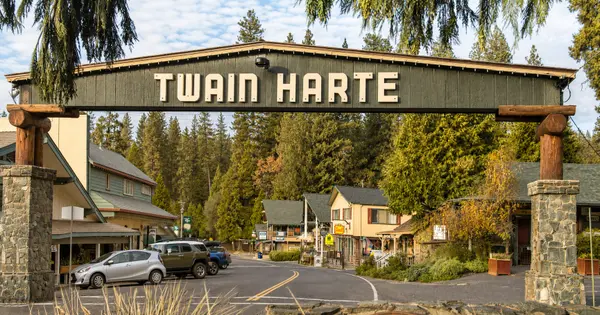
The Charm of Twain Harte: A Mountain Community By Melissa Vallelunga | September 1, 2026 What makes Twain Harte, CA such an appealing mountain community? Twain Harte is a small, unincorporated Sierra foothills community in Tuolumne County with roughly 2,300 full-time residents, a mix of year-round

How to Choose a Tuolumne County REALTOR® in 2026 (From a Lifetime Local)
Why Local Expertise Matters When Choosing a Tuolumne County REALTOR® By Melissa Vallelunga, REALTOR® & Sr. Partner · Twain Harte Homes & Land at Real Broker · Updated August 2026 Why does local expertise matter when choosing a Tuolumne County realtor? A Tuolumne County REALTOR® with genuine local ro
What Happens After You Accept an Offer in Tuolumne County?
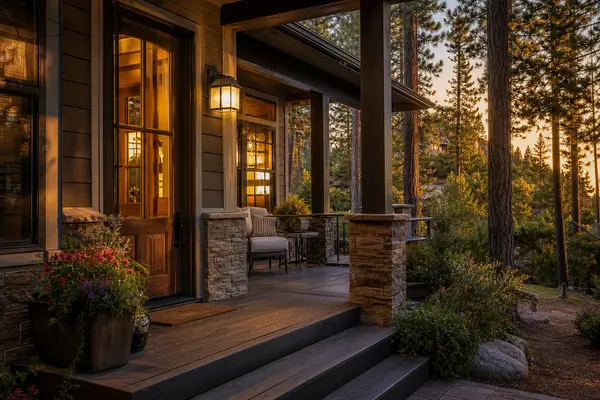
What Happens After You Accept an Offer in Tuolumne County? Once you accept an offer in Tuolumne County, escrow opens within a few business days, earnest money is deposited, and a structured sequence of inspections, disclosures, appraisal, and title review begins. Most transactions close in 30 to 4