Published January 28, 2026 · By Melissa Vallelunga, REALTOR® | DRE #02168079
Can you get fire insurance on a home in Twain Harte, Tuolumne, or Pinecrest? Yes — every homeowner in Tuolumne County can secure fire coverage. The landscape has changed, but coverage remains accessible when you know where to look and how to qualify.
Living among the towering pines of Twain Harte, Tuolumne, and Pinecrest is what makes life in the Sierra so good. But with that natural beauty comes real responsibility: protecting your home from wildfire risk and securing the insurance coverage to back it up.
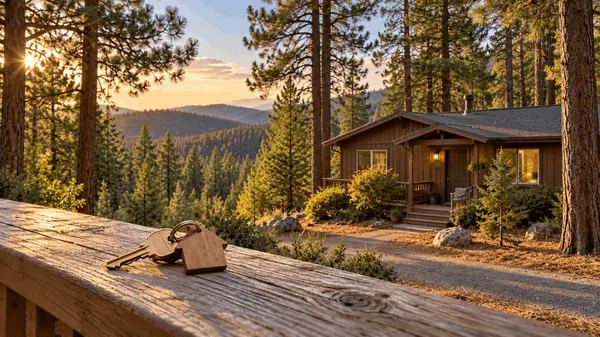
A few weeks ago, I was walking buyers through a beautiful cabin in Twain Harte. They paused on the deck, took in the view of endless pines, and asked the question I hear more and more: "This place is amazing… but can we actually get fire insurance up here?"
Their lender had already flagged wildfire risk as a concern. They were falling in love with a home they weren't sure they could properly insure.
We sat down right there and went over the different coverage options available in high-fire zones. I explained how the insurance landscape works, what to expect, and how they could approach it with confidence instead of fear. They moved forward with the purchase, secured coverage, and now have a plan for property improvements over time.
That conversation is exactly why I created this guide. If you're buying — or already own — a home in our mountain communities, you can get fire insurance. The key is understanding your options and approaching it strategically.
🔥 Can You Still Get Fire Insurance Up Here?
Despite growing wildfire risk and insurance market challenges, coverage remains available throughout Tuolumne County. While major carriers have pulled back from wildfire-prone regions, you still have real options — you may face higher premiums or stricter requirements, but with the right approach, you can protect your investment.
Understanding Your Coverage Options
Here's how homeowners in Twain Harte, Mi Wuk Village, Pinecrest, and surrounding communities are securing protection:
🏠 Standard Homeowners Insurance Many traditional policies still cover fire damage, though insurers have tightened underwriting guidelines in high-risk zones. Some carriers exclude certain areas entirely, while others require specific mitigation measures before they'll write a policy.
🛡️ California FAIR Plan This state-managed option provides basic fire coverage when standard carriers decline. Think of it as your foundation policy — it covers fire damage but typically doesn't include liability, theft, or other standard protections. Most homeowners pair it with supplemental coverage to create comprehensive protection. Learn more at the California FAIR Plan Association.
📋 Excess & Surplus Insurers Specialty carriers write custom policies for high-risk homes. These insurers operate outside standard market rules, giving them flexibility to cover properties others won't. They're often more expensive but provide crucial coverage when traditional options aren't available.
💡 Pro Tip: The strongest strategy often combines multiple policies. A FAIR Plan for fire coverage plus a "Difference in Conditions" (DIC) policy for everything else creates comprehensive protection — and it's exactly what many Tuolumne County homeowners are doing right now.
🚨 Watch Out for These Common Exclusions
Not all policies are created equal. In high-risk zones, pay special attention to:
- Coverage gaps — Some policies exclude smoke damage, water damage from firefighting efforts, or limit coverage for outbuildings, decks, and fencing
- Higher deductibles — Expect to pay more out of pocket (often $5,000–$10,000+) before coverage kicks in on wildfire claims
- Mitigation requirements — Many policies now mandate specific defensible space and property maintenance standards
Get it in writing. Ask your insurance agent to clearly explain what's covered and what isn't. Clarity upfront prevents devastating surprises during a claim.
Making Your Property More Insurable Over Time
Once you own your home, making it more defensible is the best way to maintain coverage — and potentially reduce costs. These improvements don't need to happen before you buy, but they're worth prioritizing once you've settled in.
🌲 Create Defensible Space (This Is Non-Negotiable)
California law requires defensible space in wildfire-prone areas, and it's the first thing insurers evaluate. CAL FIRE's defensible space guidelines cover this in detail.
Zone 1: 0–30 Feet from Your Home
- Remove all dead plants, pine needles, and leaves
- Trim tree branches at least 10 feet away from your roof
- Remove anything flammable stored against the house
Zone 2: 30–100 Feet from Your Home
- Thin vegetation to create spacing
- Remove "ladder fuels" (low branches and shrubs that carry fire upward into tree canopies)
- Keep grass mowed to 4 inches or less
These steps slow a fire's approach, give firefighters safe working space, and prove to insurers that you're actively managing risk.
🏗️ Build with Fire-Resistant Materials
If you're renovating or building, smart material choices make a significant difference:
- Roofing: Class A fire-rated roofs (composition shingles, metal, or tile) are essential. If you have an older wood shake roof, replacing it should be your top priority.
- Siding: Fiber-cement, stucco, or metal siding provide excellent non-combustible protection.
- Windows: Dual-pane tempered glass resists cracking under intense heat far better than single-pane windows.
- Vents & Openings: Ember-resistant vents and 1/8-inch metal mesh screening prevent sparks from entering attics and crawl spaces — one of the most common ignition points.
Small upgrades compound over time. Each improvement strengthens both your safety and your insurability.
🎯 Navigating the Insurance Market: A Strategic Approach
Work with a Local, Knowledgeable Agent
A local agent who works in Tuolumne County daily can save you months of frustration. They know which carriers are actively writing policies in Twain Harte, Pinecrest, Tuolumne, and surrounding communities — and how to present your property advantageously.
A strong agent will:
- Identify insurers still active in our mountain communities
- Combine different policies to create comprehensive coverage
- Explain trade-offs between premiums, deductibles, and coverage limits
- Navigate carrier-specific requirements and inspection processes
Need a referral to a trusted local insurance agent? Contact me and I'll connect you with someone I trust.
Get Multiple Quotes
Don't settle for the first offer. Compare across insurer types (standard carriers, specialty wildfire underwriters, and FAIR Plan combinations), policy details, and long-term renewal stability. Some carriers have better track records for renewals in high-risk areas — a thorough comparison prevents surprises when you need coverage most.
🔄 Keeping Your Coverage Over Time
Getting insured is just the beginning. Maintaining your policy requires ongoing attention.
Annual Inspections: Walk your property before fire season (ideally early spring). Look for overgrown vegetation, flammable items stored near the house, dead trees or limbs near structures, clogged gutters full of pine needles, and aging or damaged roofing.
Document Everything: Take photos and save receipts for mitigation work, upgrades, and repairs. This documentation helps during renewals, inspections, and claims.
Review Your Policy Annually: After renovations, after any change in how you use the property (like starting a short-term rental), and whenever insurance regulations shift. The market moves — an annual review keeps you ahead of it.
❓ Frequently Asked Questions
What if my insurer will no longer cover my home in Tuolumne County? Start with the California FAIR Plan for basic fire coverage, then add a "Difference in Conditions" (DIC) policy for liability, theft, and other protections the FAIR Plan doesn't include. This combination creates comprehensive coverage when traditional insurers decline, and it's a common setup for mountain homeowners throughout our area.
Will fire prevention improvements lower my premium in a high-fire zone like Twain Harte? Often, yes. Class A roofs, maintained defensible space, ember-resistant vents, and monitored fire/security systems can reduce risk and may qualify you for discounts. Even when they don't directly lower premiums, these improvements make it significantly easier to secure and maintain coverage — and they add real value to your home.
When should a buyer start checking on fire insurance for a Pinecrest or Twain Harte property? As early as possible — ideally when you first get serious about a property. Ask your agent to run insurance scenarios during your inspection period so you understand both availability and cost before removing contingencies. This is as important as the home inspection itself. The biggest mistake I see buyers make is waiting until the week before closing, which creates unnecessary stress and can derail an otherwise great purchase.
New to the mountain buying process? Read my Complete Buyer's Guide to Tuolumne County for a full walkthrough of everything to expect.
What's the difference between the FAIR Plan and a standard homeowners policy? The California FAIR Plan is a last-resort policy that covers fire and a few other perils but is intentionally limited in scope. A standard homeowners policy covers fire plus liability, theft, water damage, and more. Many Tuolumne County homeowners use a FAIR Plan as the fire-coverage foundation, then add a DIC (Difference in Conditions) policy to fill in the gaps. The California Department of Insurance has a useful overview of your rights as a homeowner in wildfire-prone areas.
The Bottom Line
Yes, you can get fire insurance in Twain Harte, Tuolumne, Pinecrest, and throughout our mountain communities. The landscape has changed, but coverage remains accessible when you:
✅ Understand your options (standard, FAIR Plan, specialty carriers) ✅ Work with a knowledgeable local insurance agent ✅ Verify coverage availability early in your home search ✅ Create and maintain defensible space after you own the home ✅ Upgrade to fire-resistant materials over time ✅ Stay proactive with annual property maintenance and policy reviews
Living in the pines means embracing both the beauty and the responsibility. With the right approach, you can protect your investment, sleep better at night, and fully enjoy the incredible lifestyle our Sierra communities offer.
Got questions about fire insurance for a mountain property you're considering? Reach out — I'm happy to connect you with trusted local agents and walk through the coverage landscape together.
📞 Call or text: (209) 352-8528 ✉️ melissamtnhomes@gmail.com 📬 Or use my contact form →
Warmly, from the mountains
Melissa Vallelunga | REALTOR® · Sr. Partner Twain Harte Homes & Land at Real Broker · DRE #02168079 Serving Twain Harte, Mi Wuk Village, Pinecrest, Soulsbyville, Tuolumne & Sonora
FROM OUR BLOG


Relocating to Tuolumne County? Pick the Community First
What should you do first when relocating to Tuolumne County? Start by choosing the community, not the house. Tuolumne County spans the county seat of Sonora — where most shopping, health care, and government services are concentrated — and higher-elevation mountain towns like Twain Harte, Mi Wuk Vil

Fall in Tuolumne County: 10 Things That Change When the Season Turns
{ "@context": "https://schema.org", "@graph": [ { "@type": "Article", "headline": "Fall in Tuolumne County: 10 Things That Change When the Season Turns", "description": "Quieter trails, woodsmoke in the air, Pinecrest winding down, and Sonora Pass closing for the season. Here are 10 things that ch
Tuolumne County Real Estate: The Challenges a Local Agent Solves
How does a local REALTOR® help with Tuolumne County's real estate challenges? Tuolumne County's real estate challenges go well beyond price and square footage. Pricing a home against the right comparable communities, private roads, well and septic systems, navigating fire insurance, and properties w